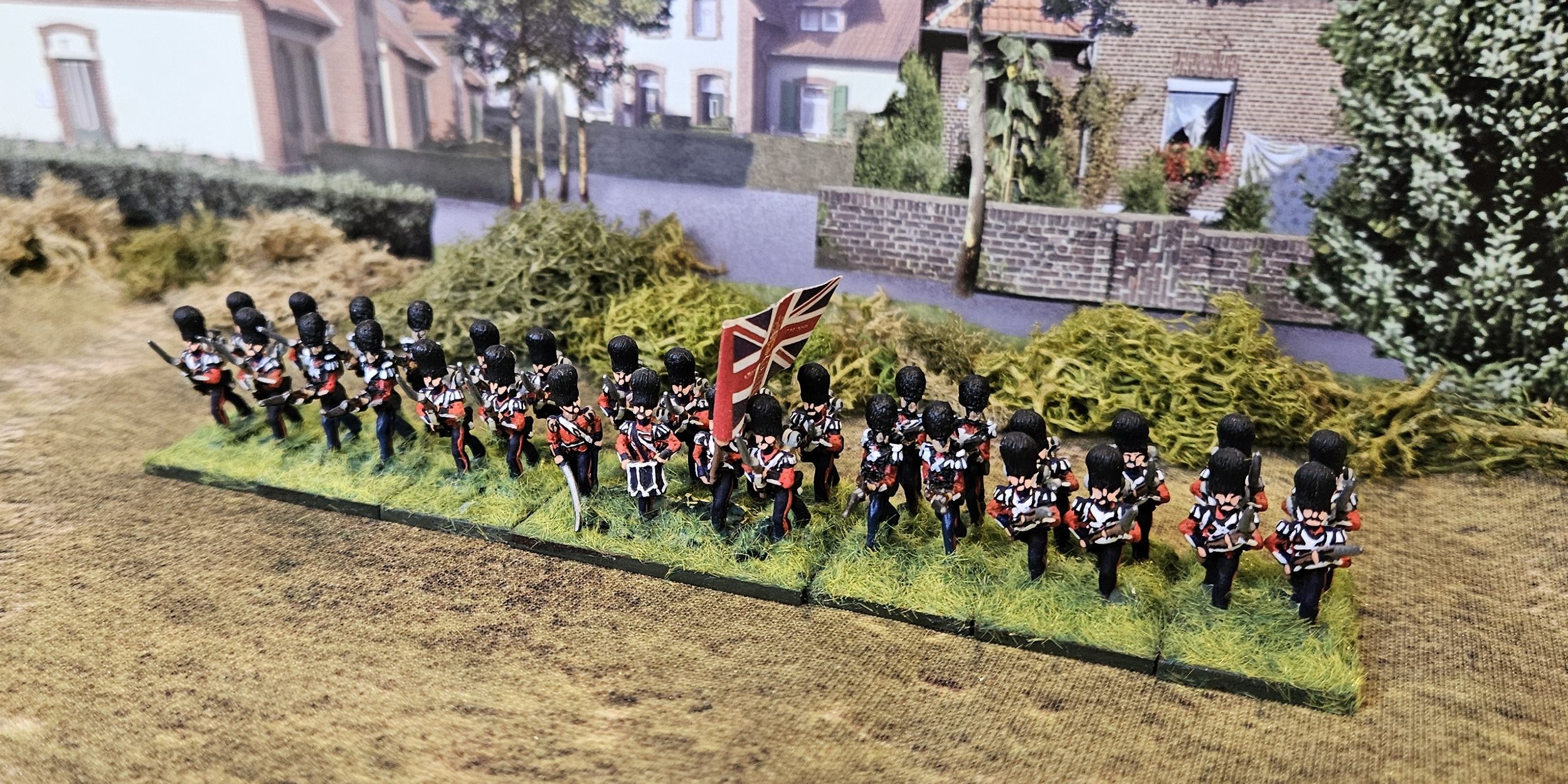
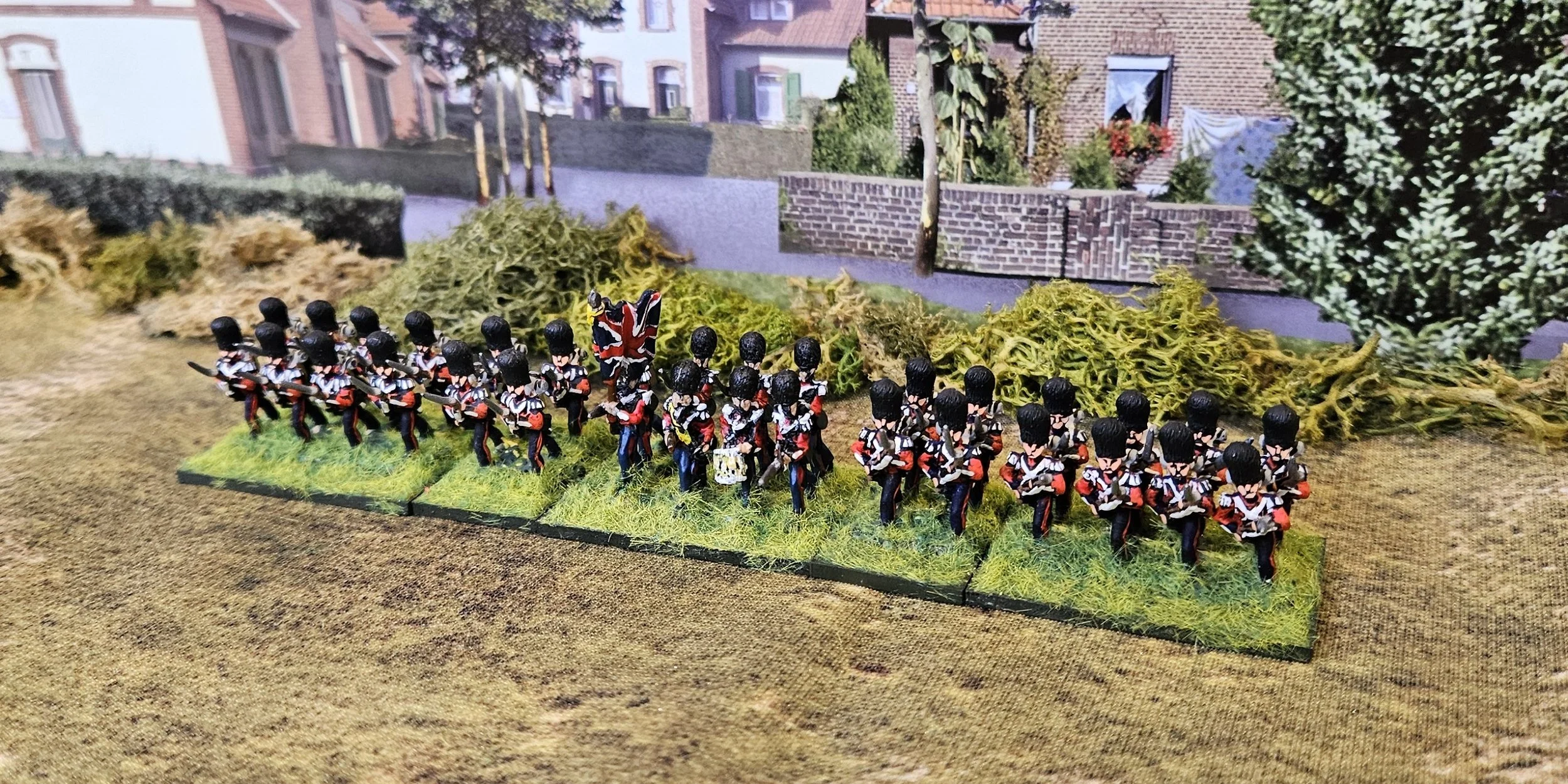
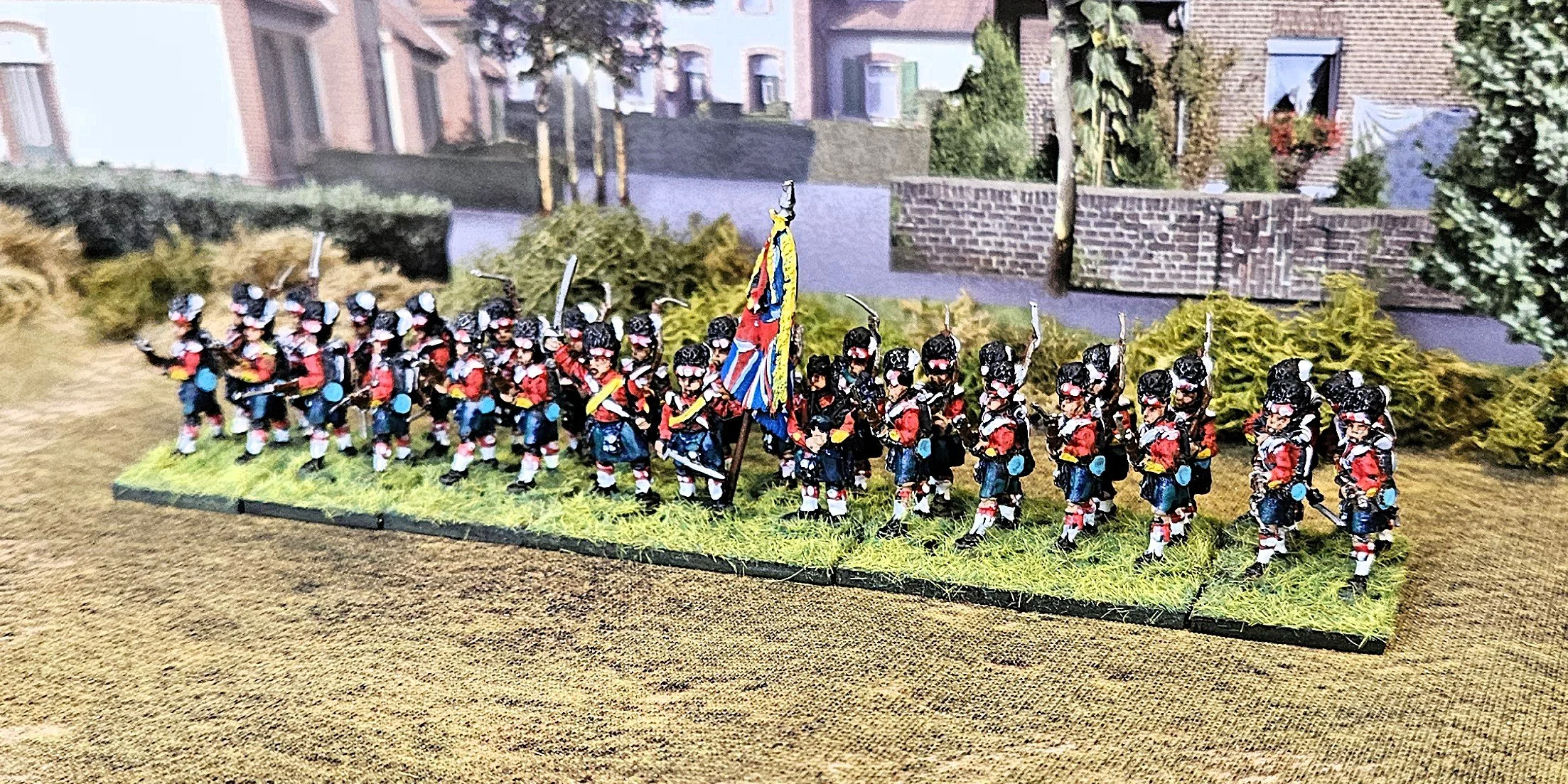
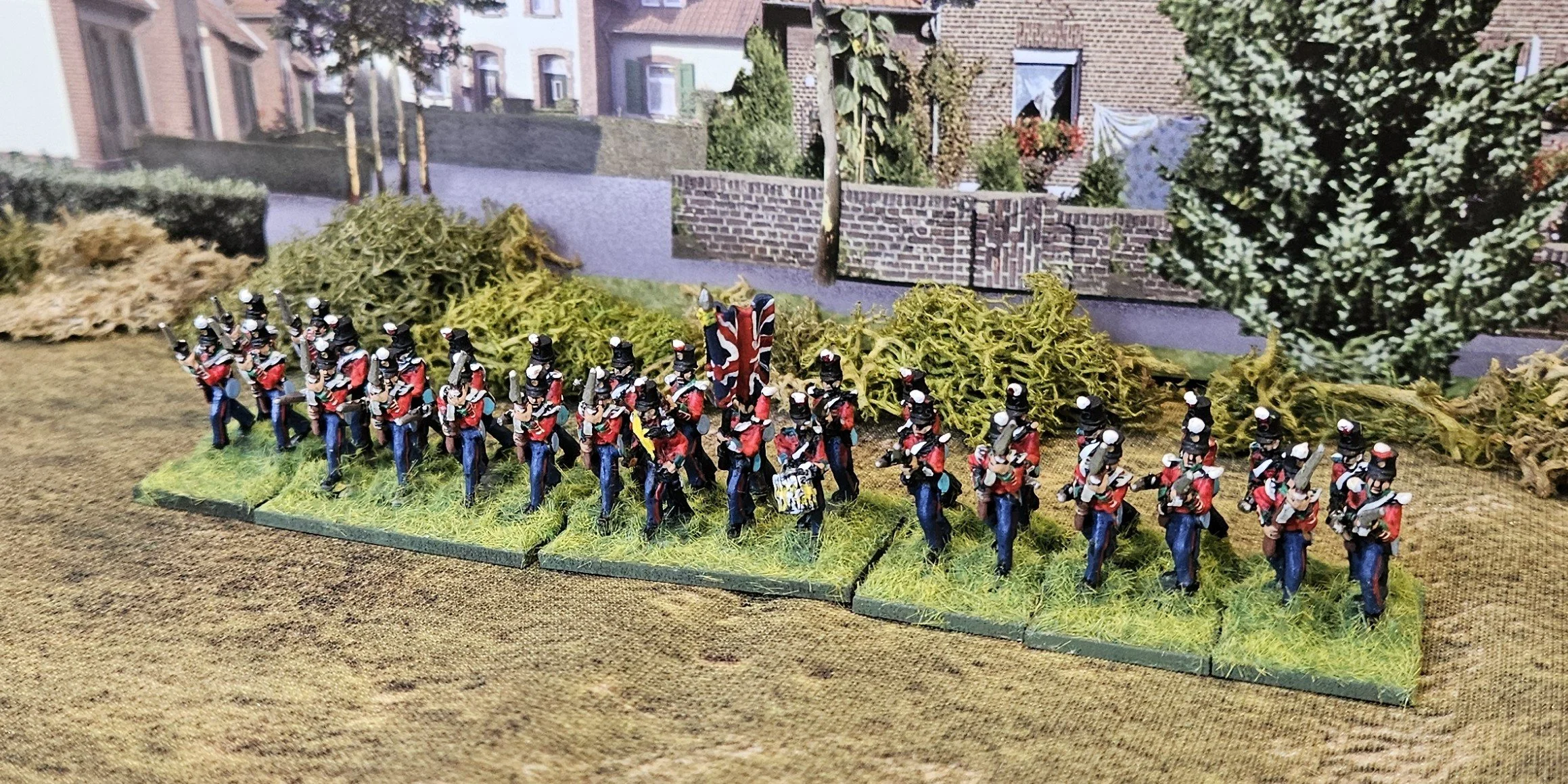
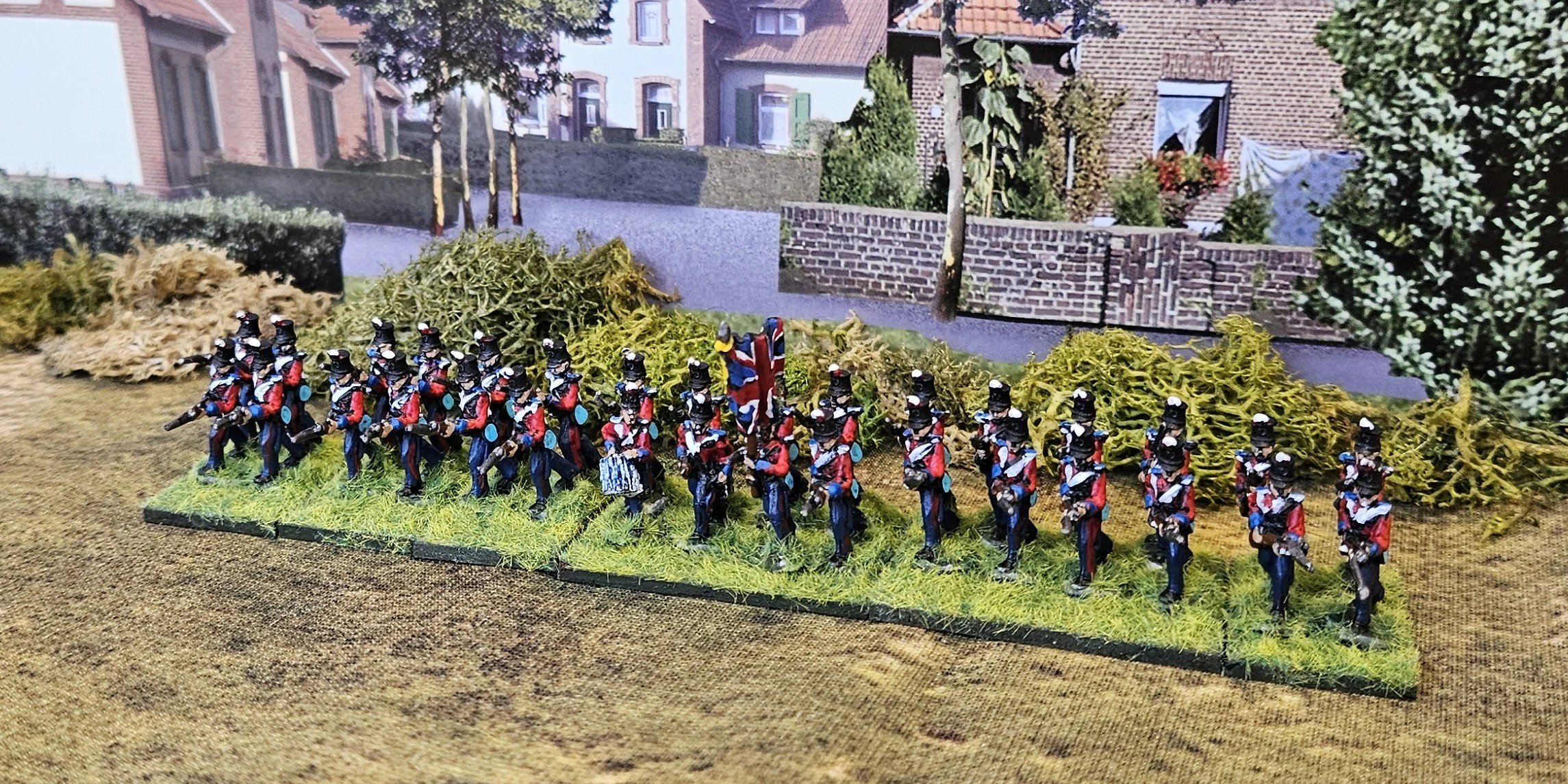
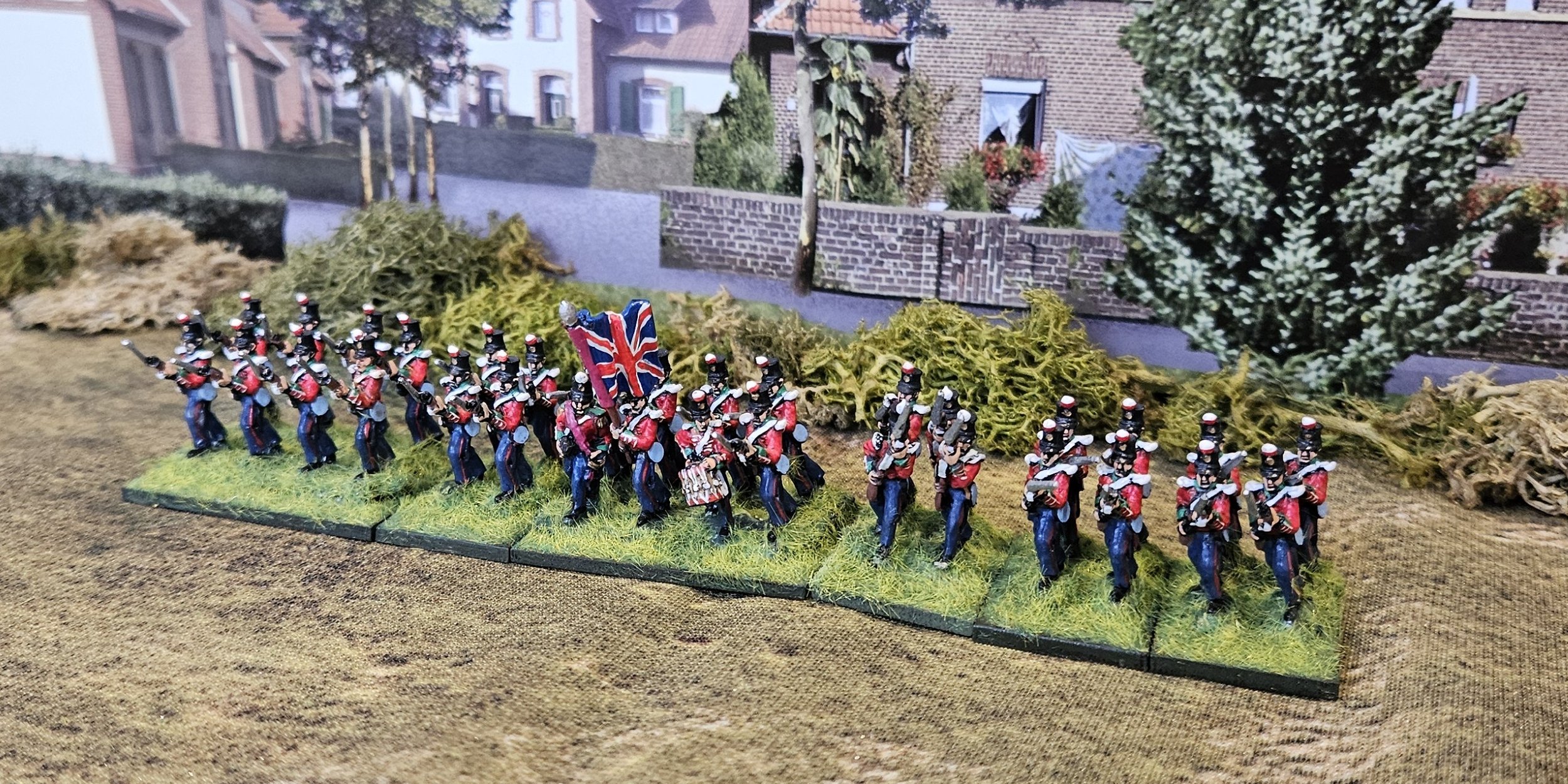
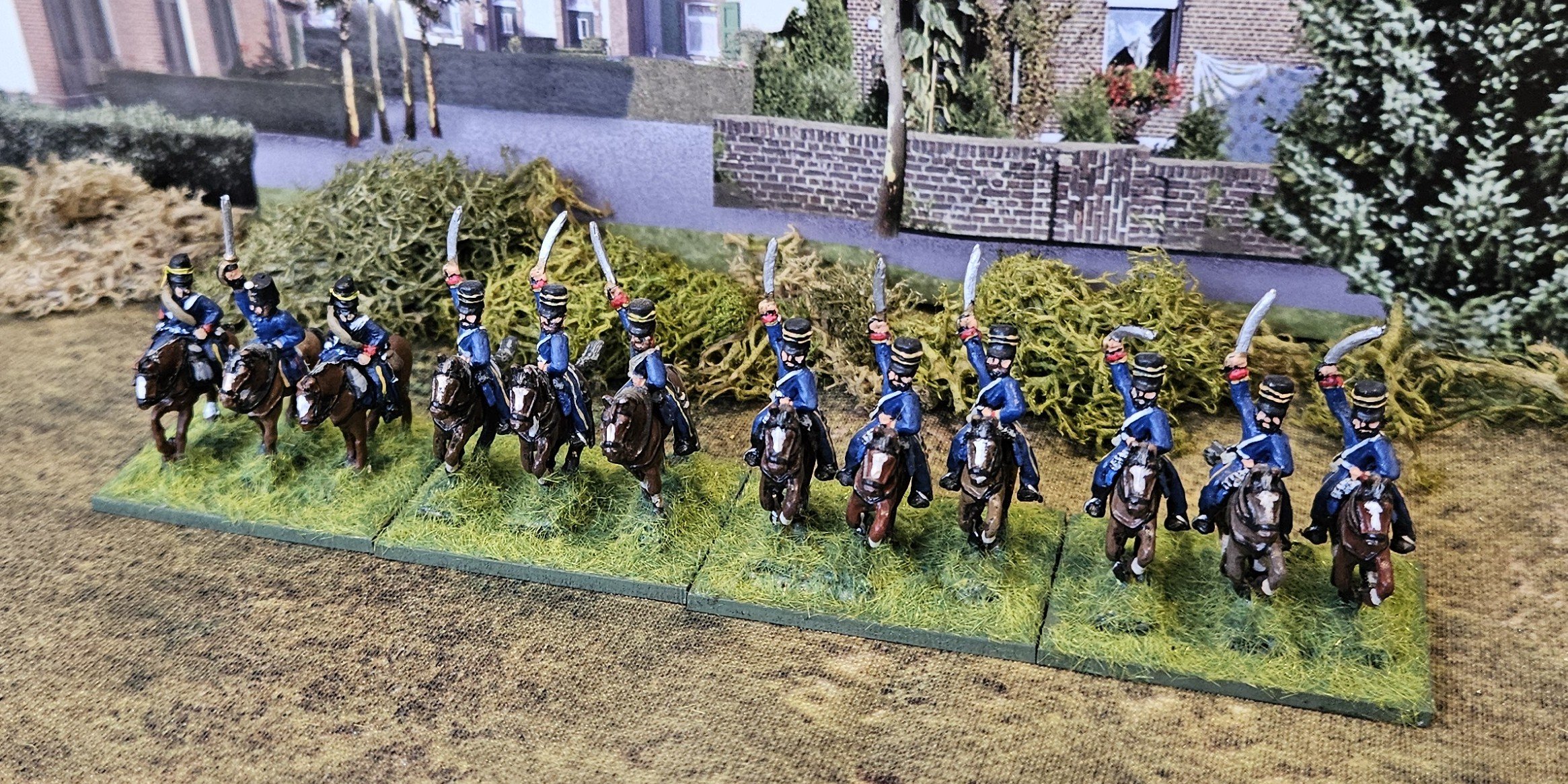
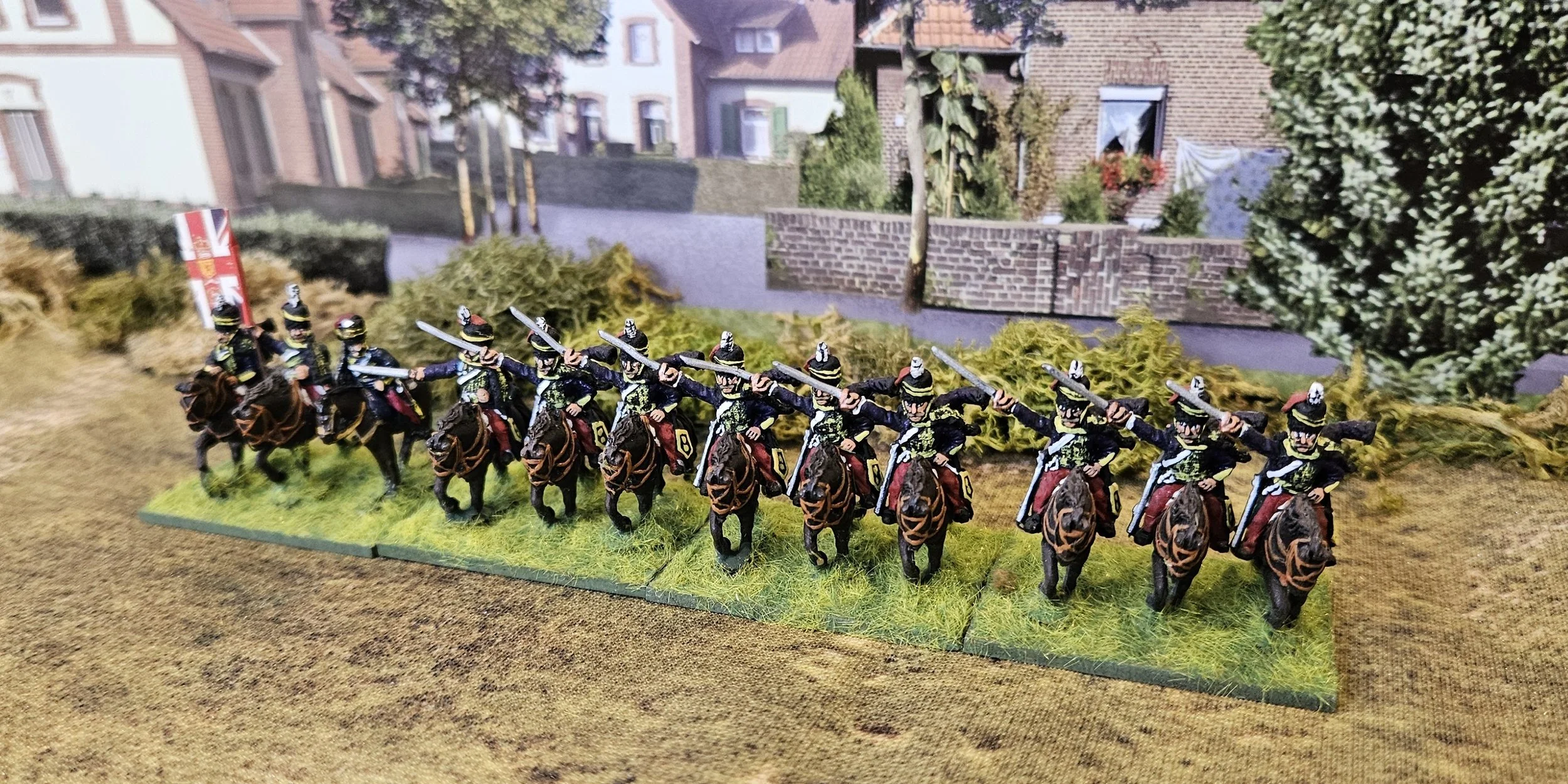
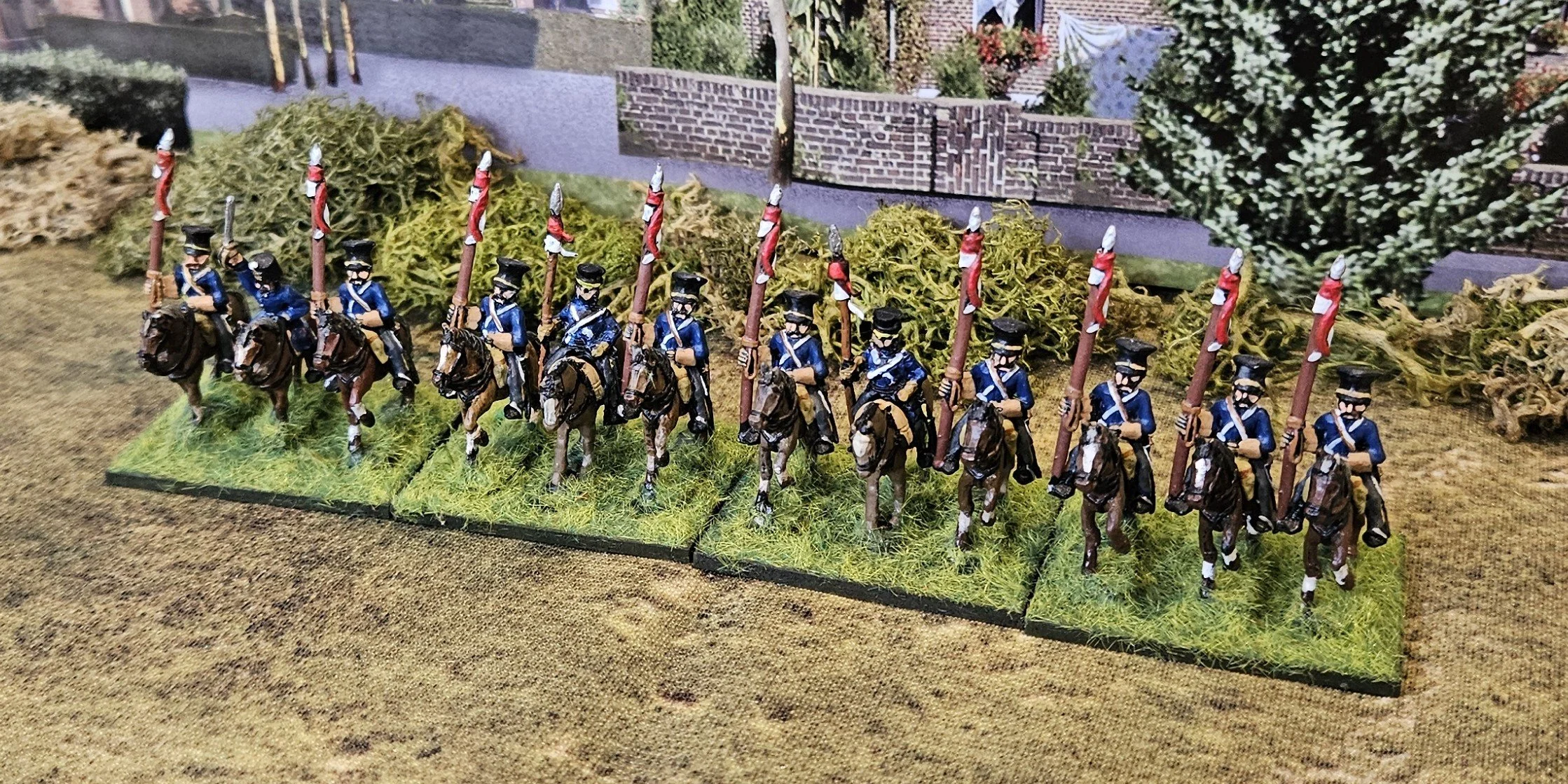
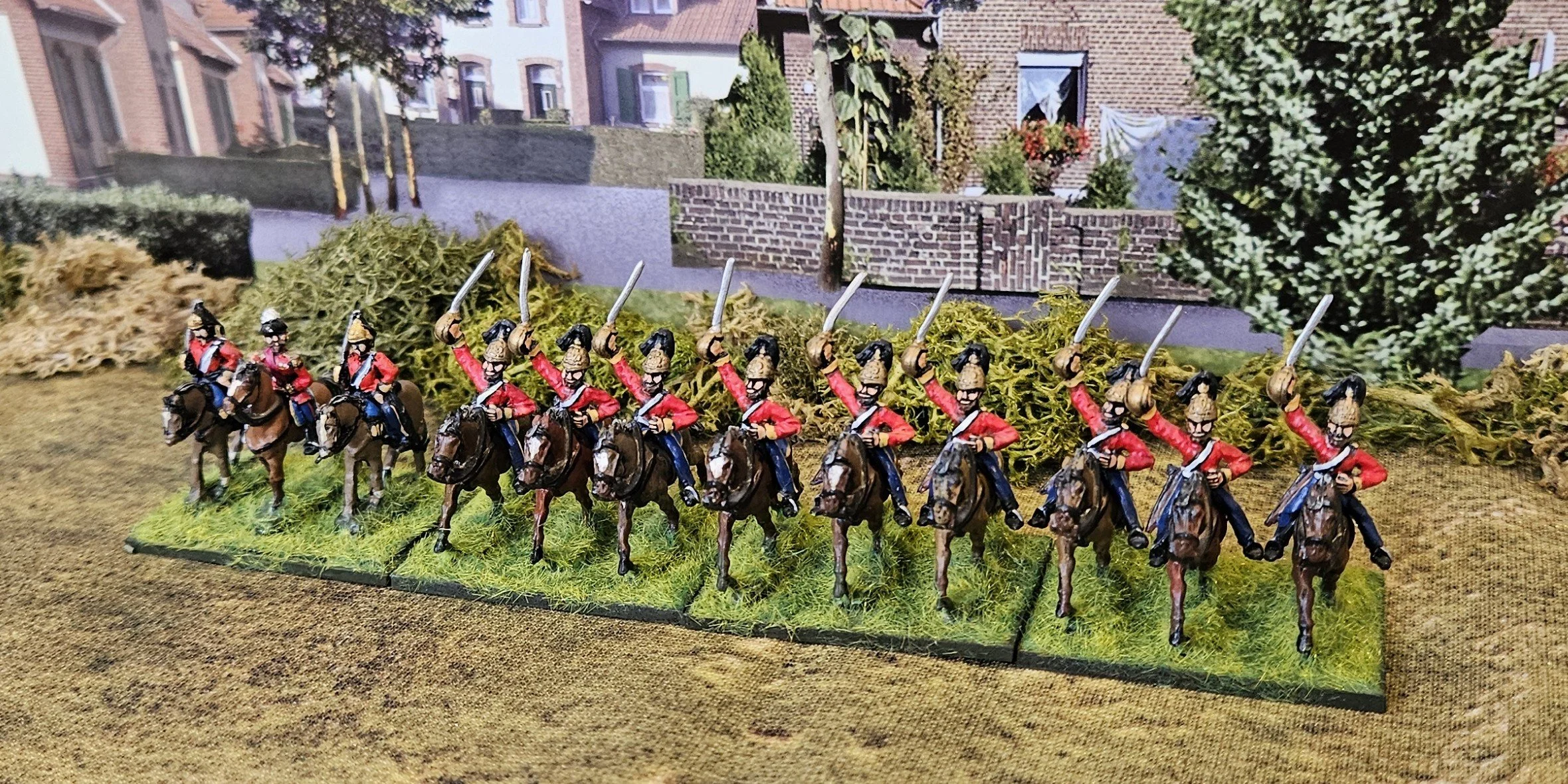
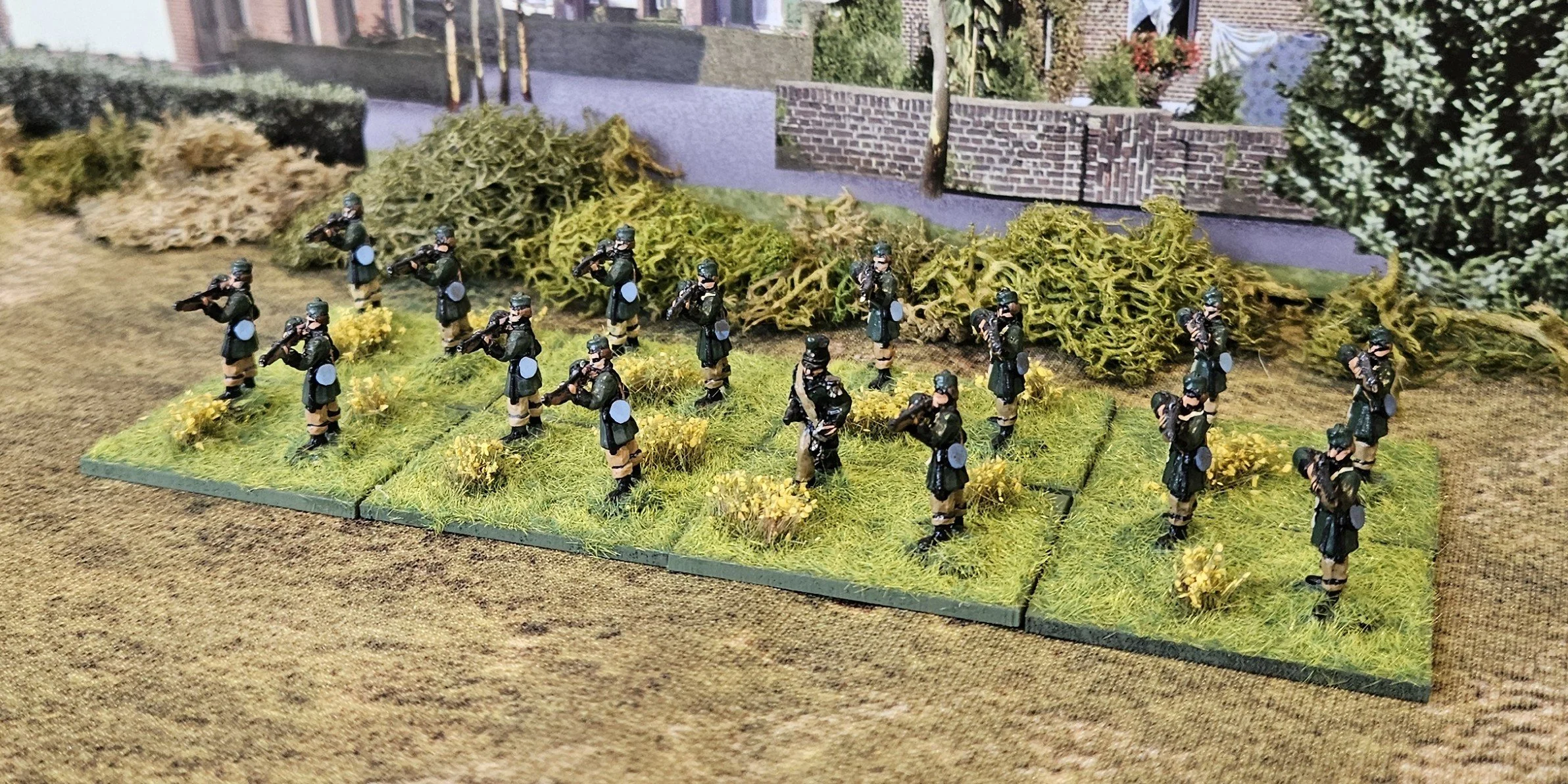
The British Army during the Crimean War (1853–1856) was a professional but often poorly managed force sent to fight alongside France and the Ottoman Empire against Russia, most notably on the Crimean Peninsula. British troops were generally well-trained and disciplined, and they proved effective in major battles such as the Battle of Alma, the Battle of Balaclava, and the Siege of Sevastopol. Most were volunteers rather than conscripts, drawn largely from the working classes of Britain and Ireland. They were known for their strict drill, strong regimental identity, and pride in their units.
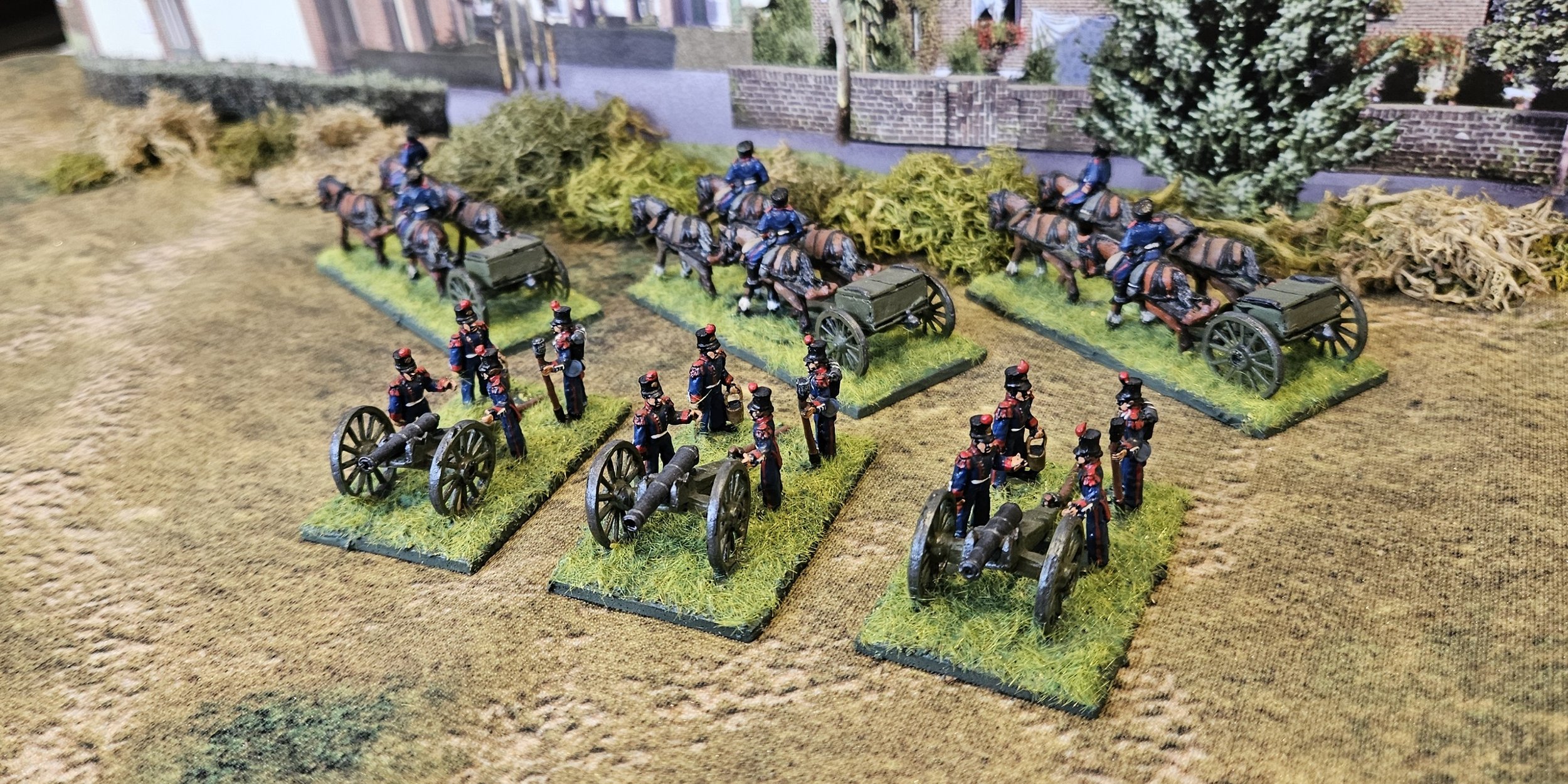
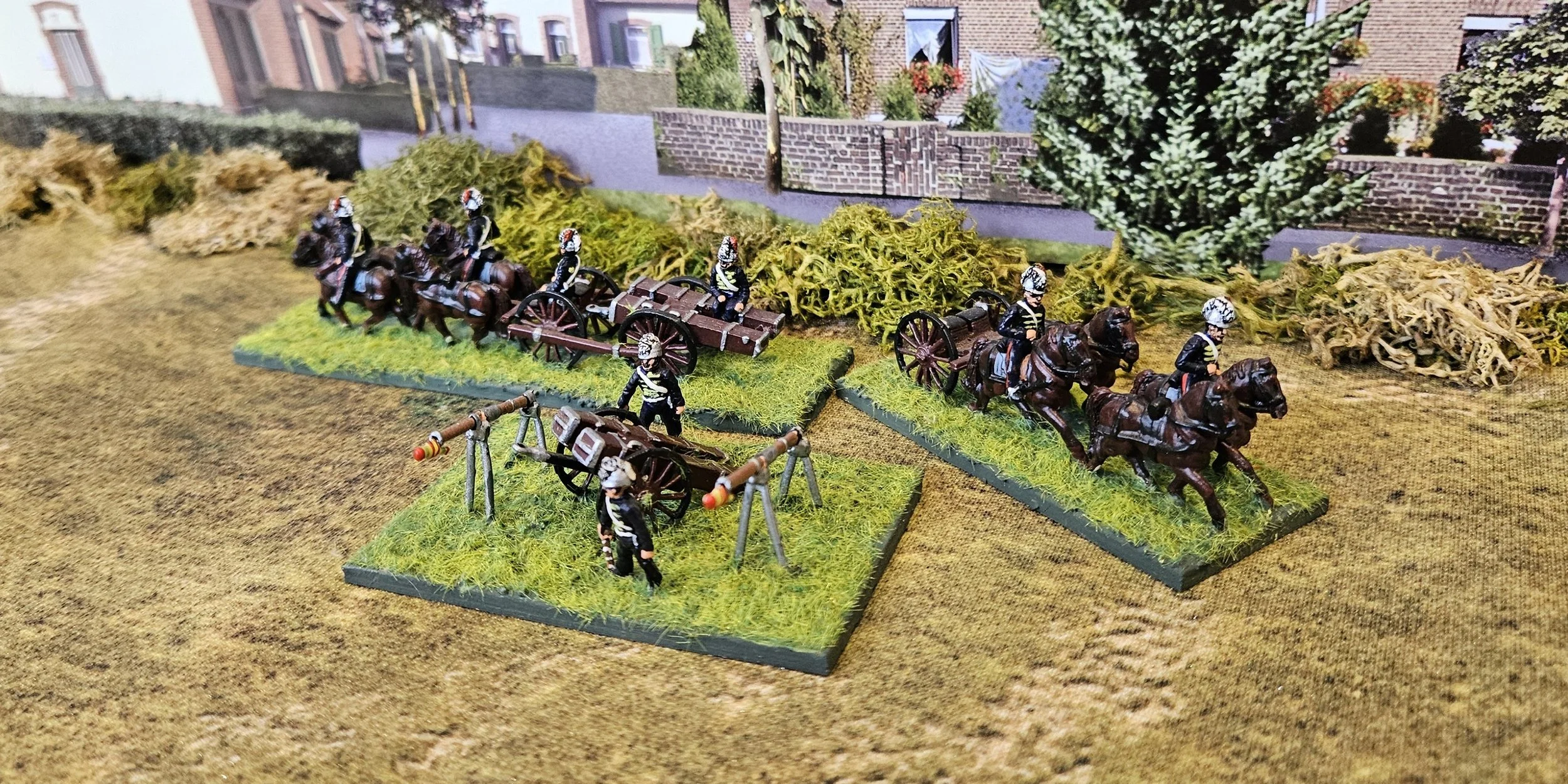
In terms of equipment, British infantry were among the first to use the modern Minié rifle, which gave them better range and accuracy than older muskets. Cavalry units, including the famous Light and Heavy Brigades, were well trained but sometimes used in outdated or poorly coordinated ways, as seen in the Charge of the Light Brigade under James Brudenell. Artillery units were generally competent, though limited in number and sometimes hampered by supply issues.
The army suffered from serious logistical and administrative failures. Poor supply systems, inadequate medical care, and harsh winter conditions led to widespread disease and high casualties—far more than were caused by combat. Leadership issues also hampered effectiveness, with some commanders criticized for outdated tactics and miscommunication, famously illustrated by the Charge of the Light Brigade under James Brudenell.
Despite these problems, British soldiers demonstrated resilience and battlefield skill, contributing significantly to the eventual Allied victory over Russia. The war also exposed the need for reform, leading to major changes in military organization, supply, and medical services in the years that followed, influenced in part by figures like Florence Nightingale.