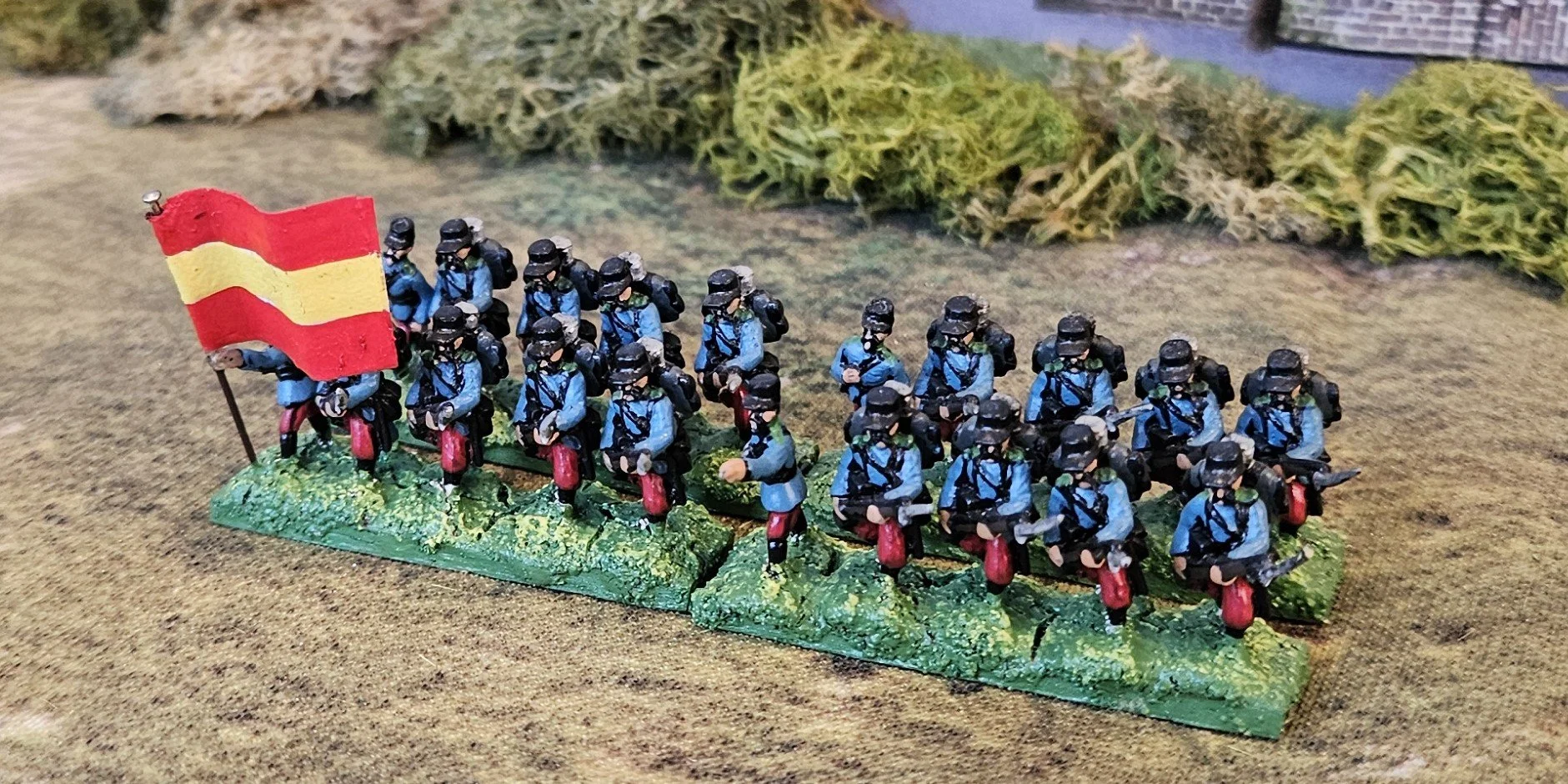
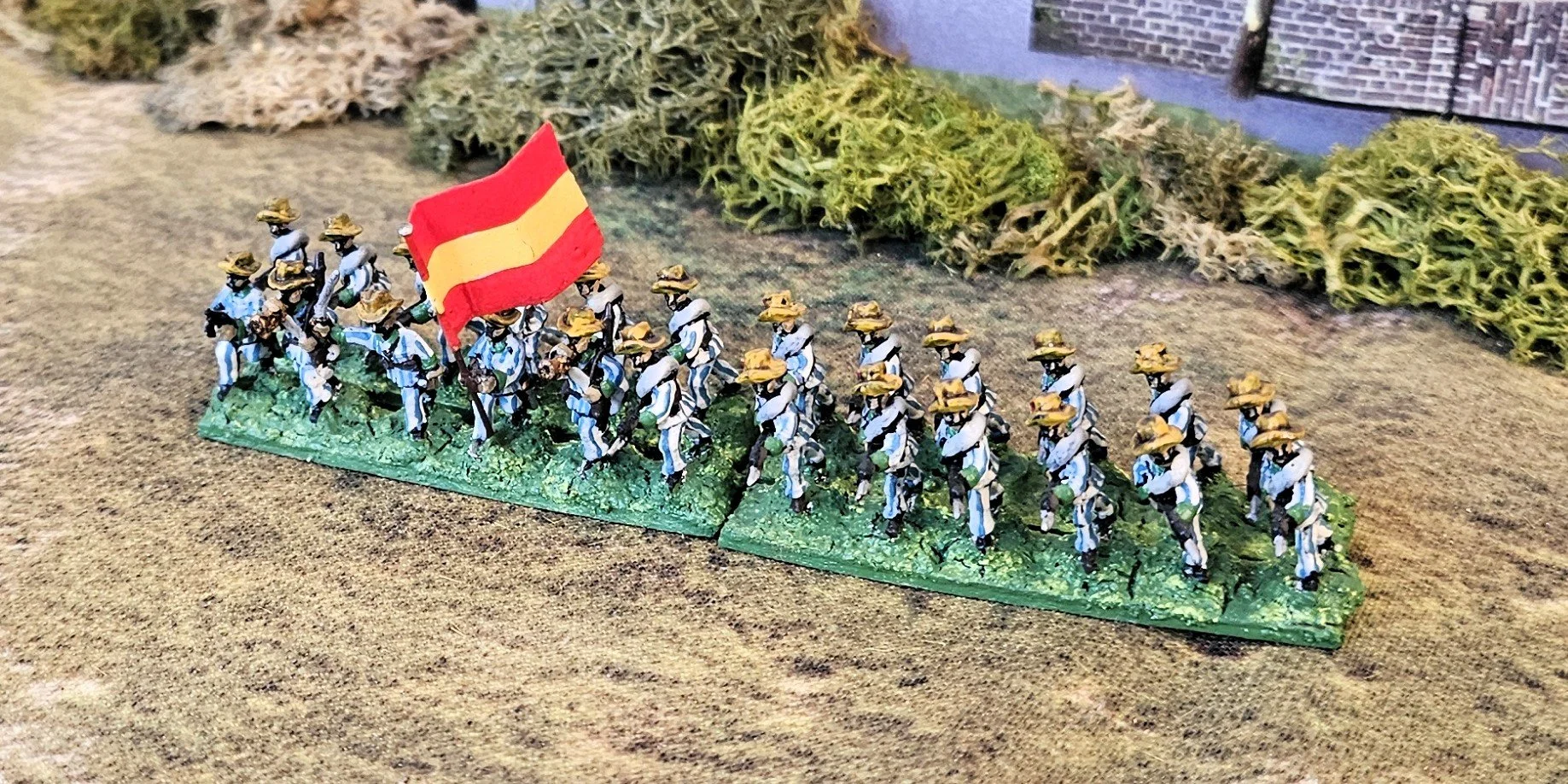
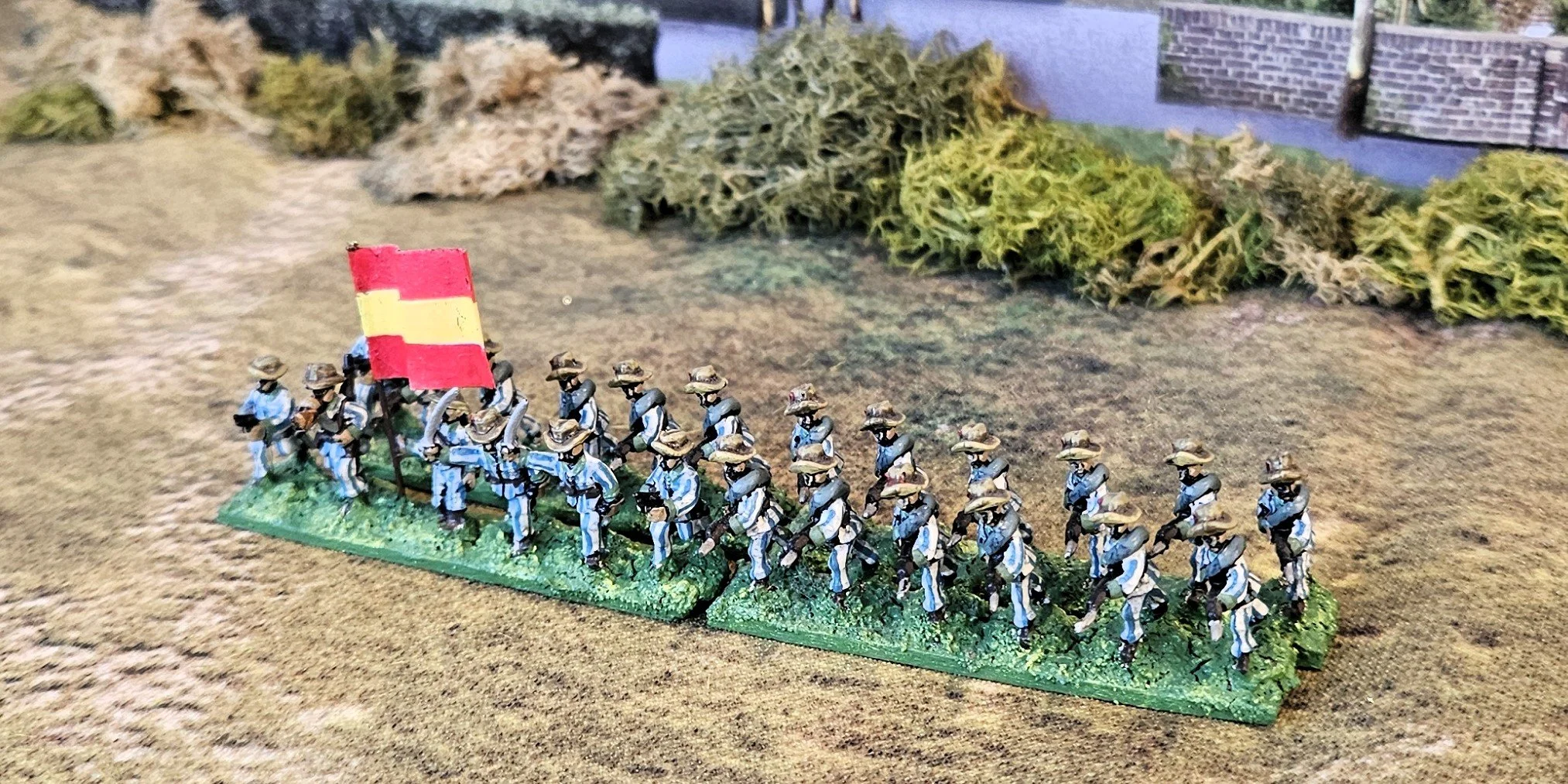
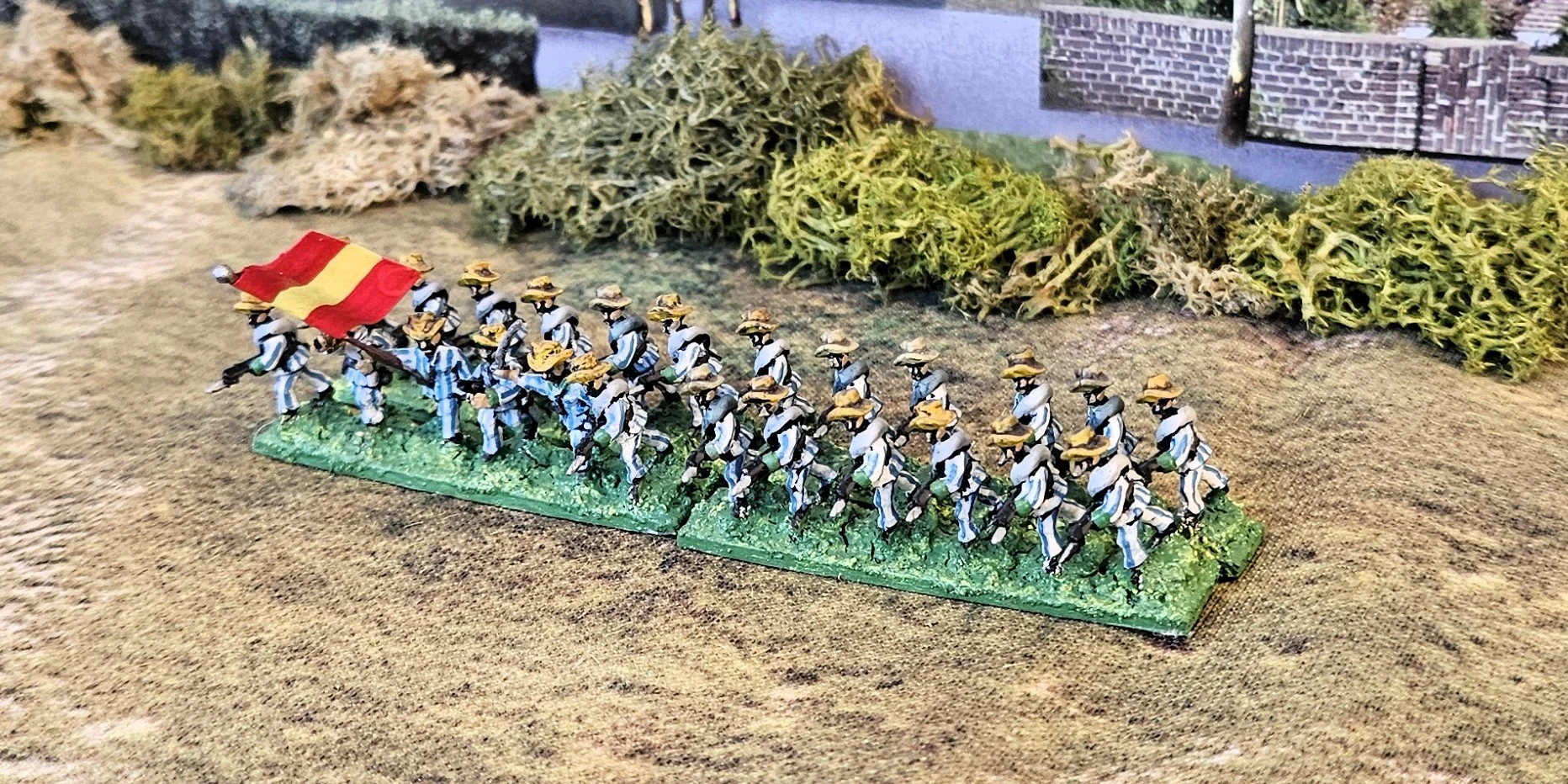
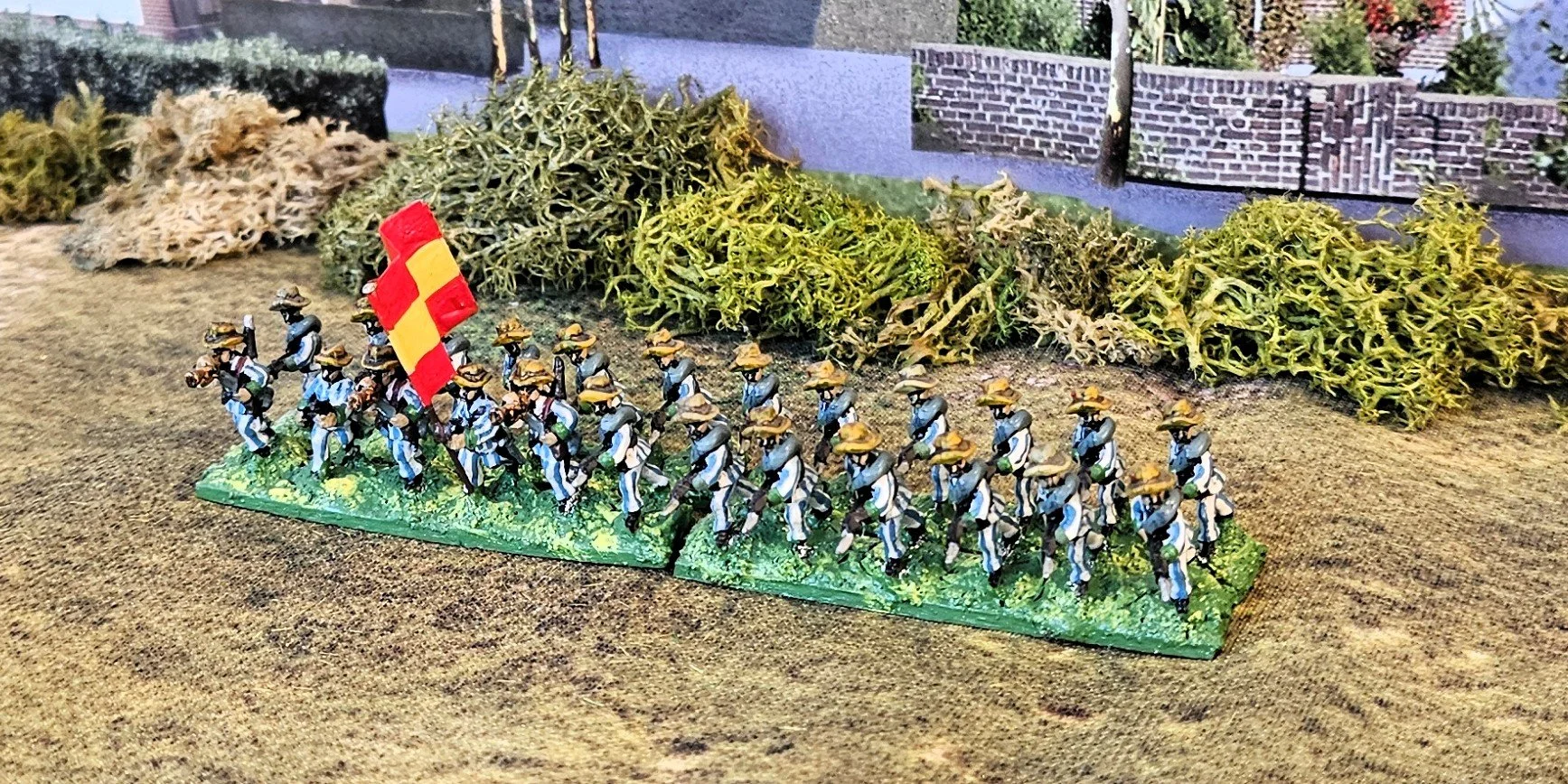
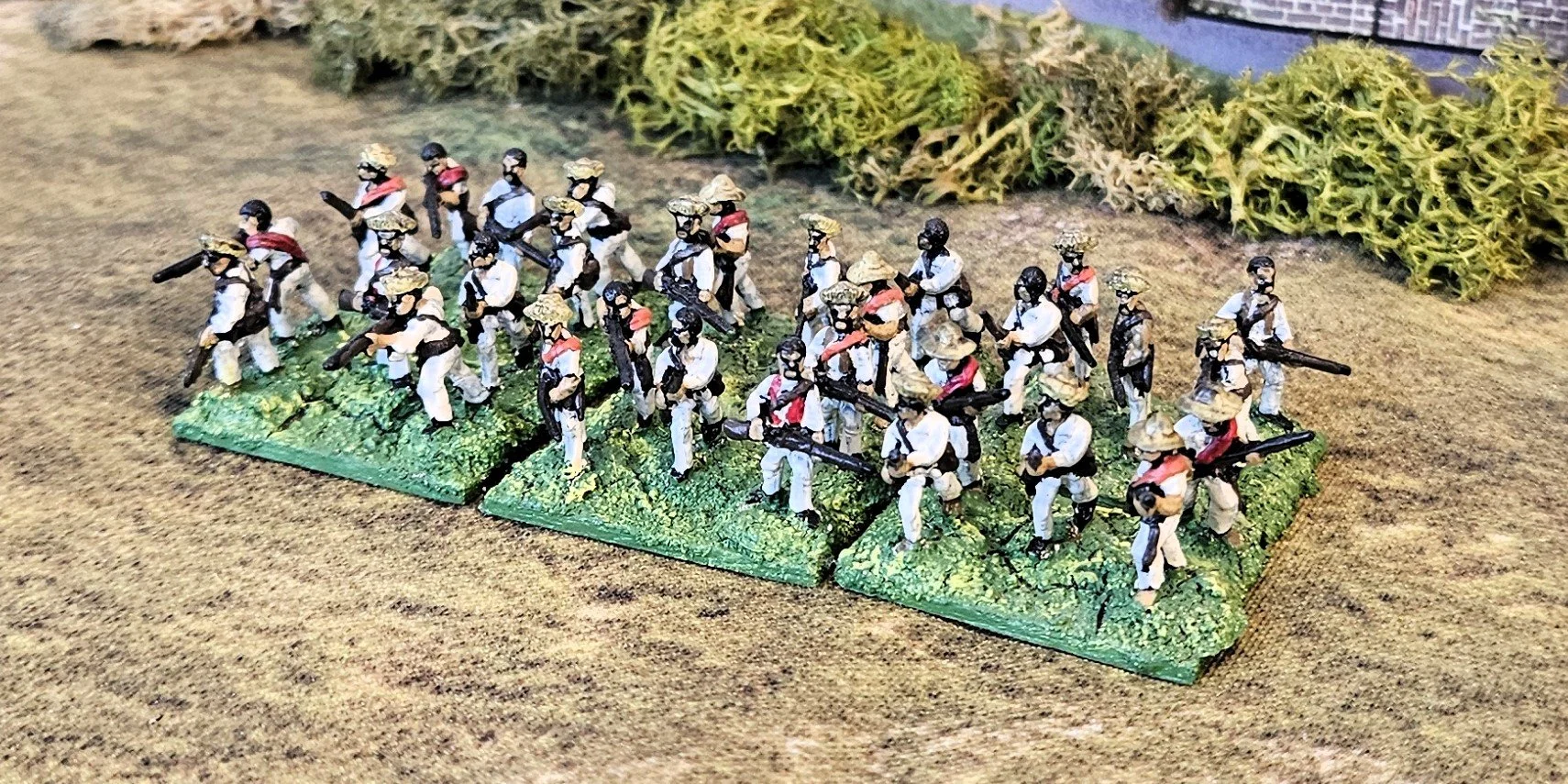
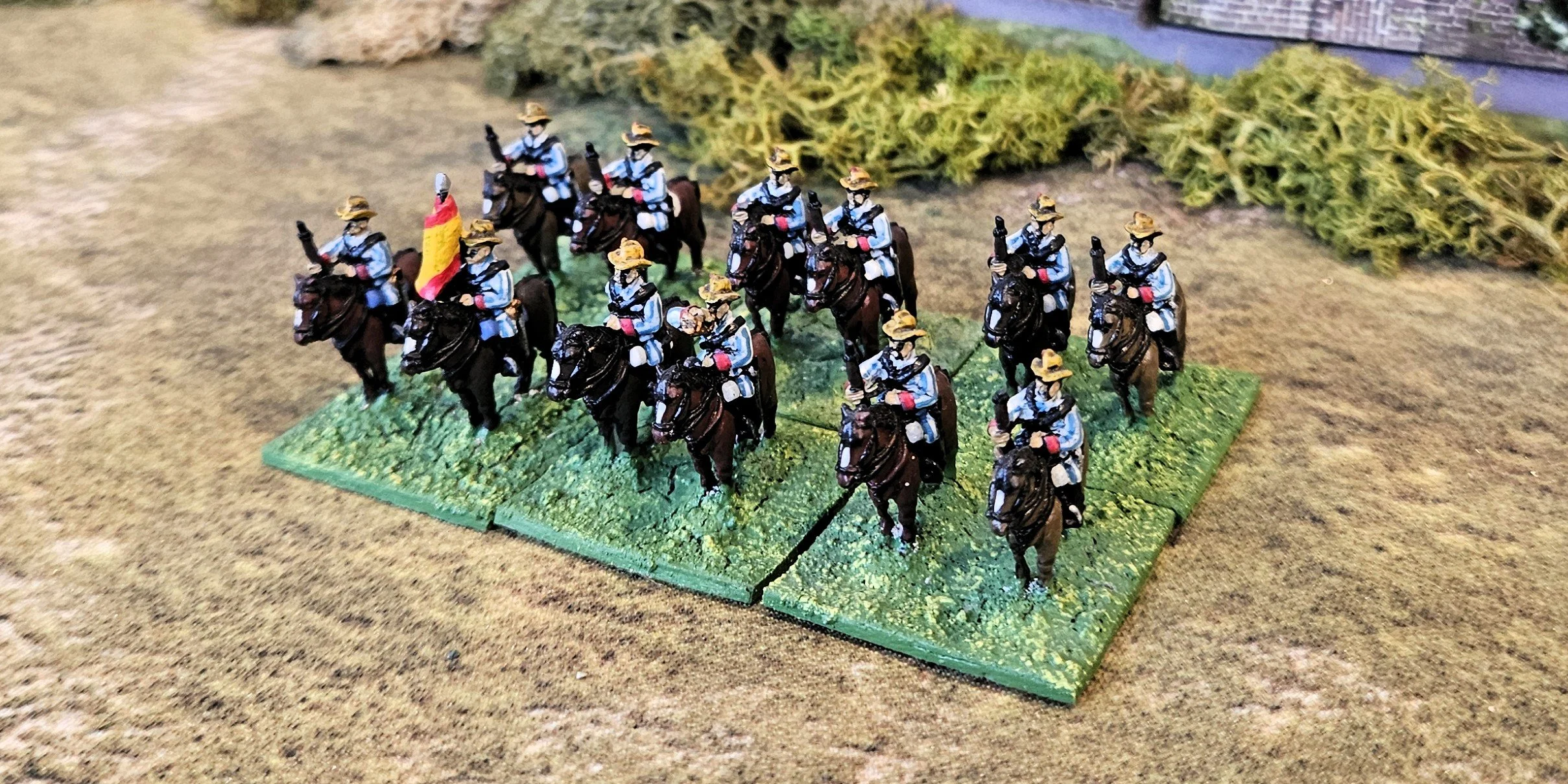
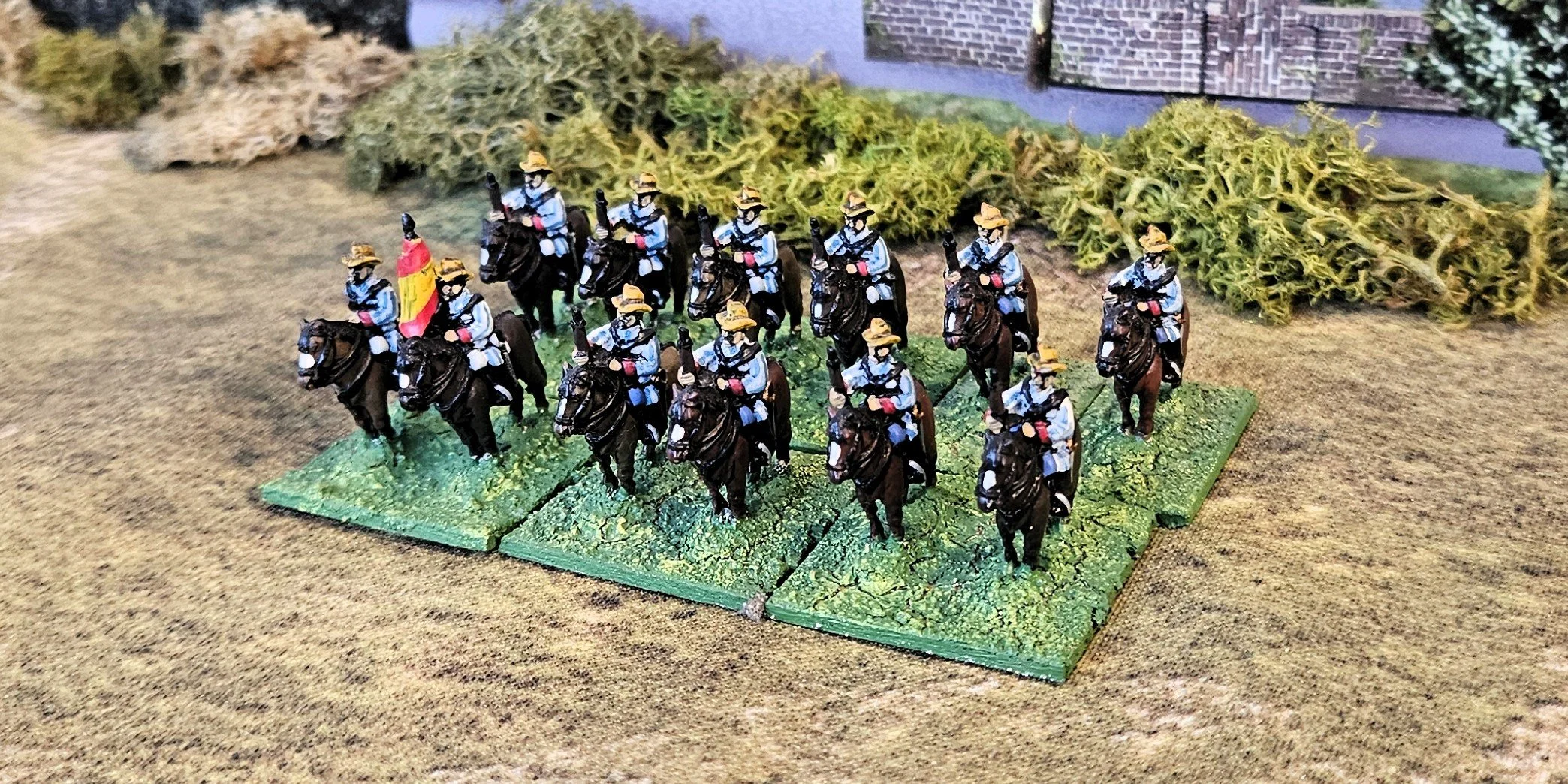
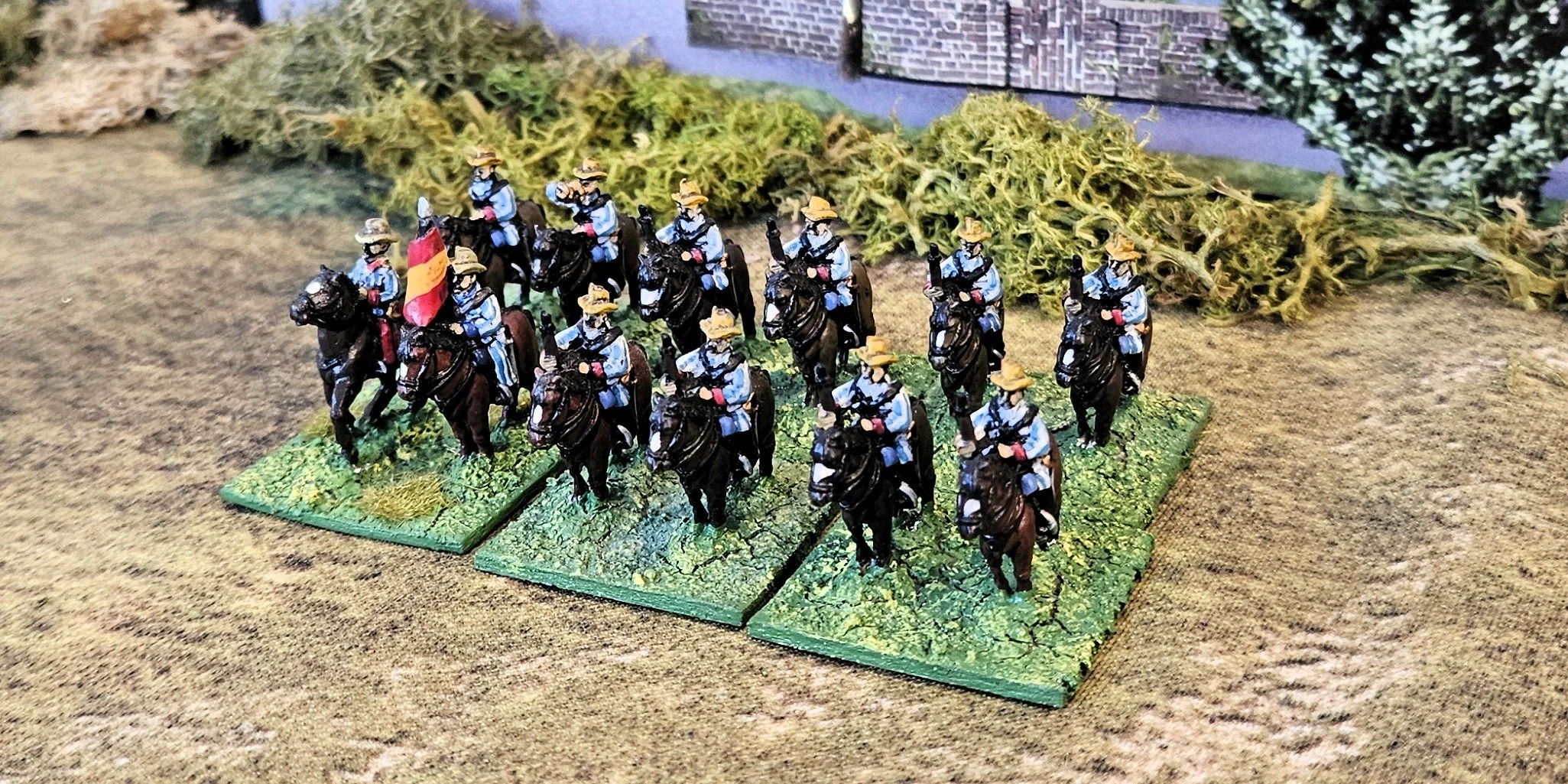
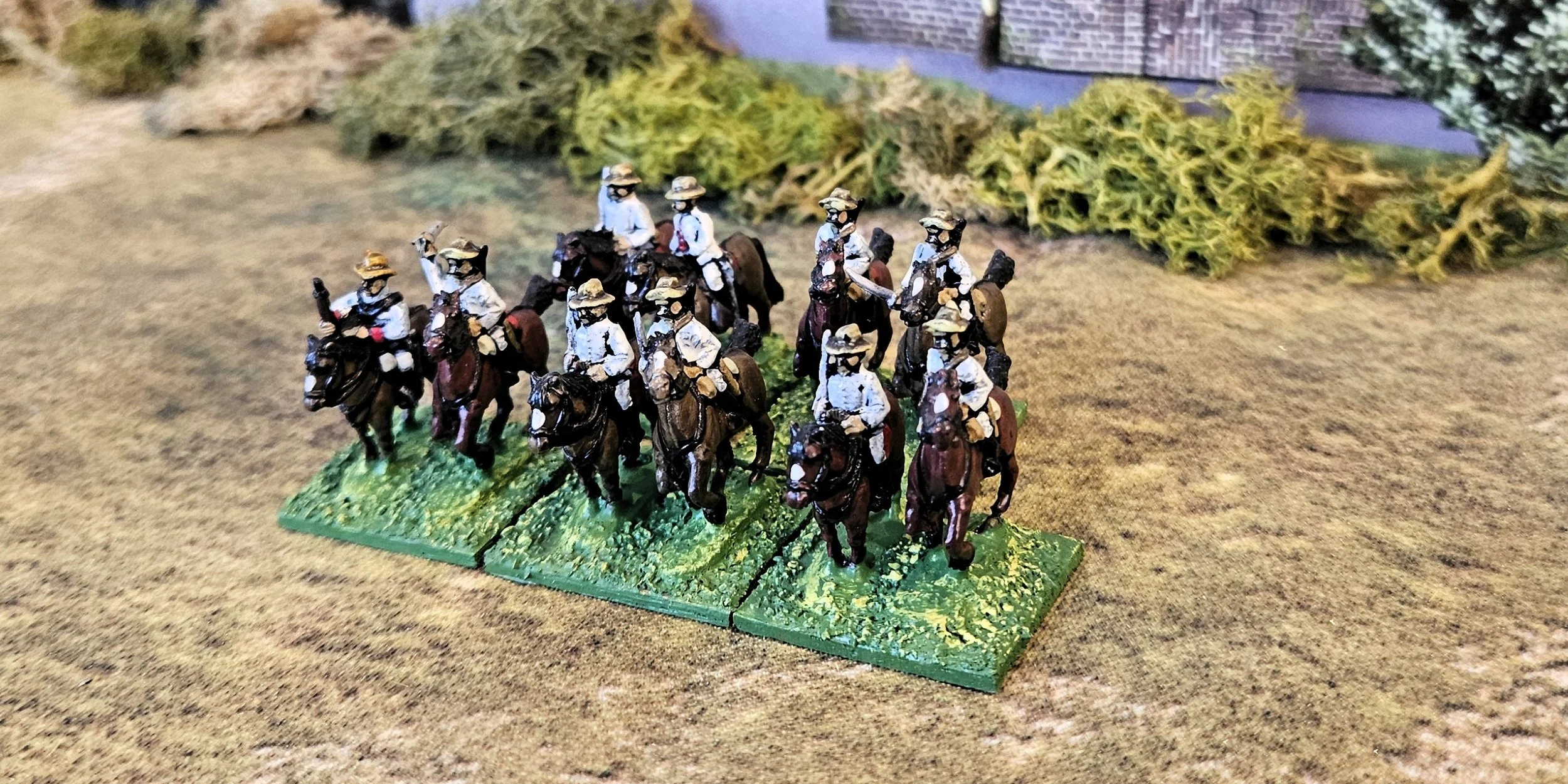
The Spanish Army during the 1898 Spanish–American War was a large but outdated force struggling to maintain Spain’s remaining overseas empire, particularly in Cuba, Puerto Rico, and the Philippines. Although Spain had experienced soldiers—many hardened by years of colonial warfare—they were poorly equipped compared to U.S. forces, often using obsolete rifles, limited artillery, and lacking modern logistics and naval support.
The Army was organized along traditional 19th-century European lines, but adapted for imperial service in overseas colonies such as Cuba, Puerto Rico, and the Philippines. On paper it was a large force, but in practice it was unevenly structured and strained by distance and logistics.
Overall structure
The army was divided into peninsular (mainland) forces and overseas expeditionary forces. Units sent to Cuba or the Philippines were typically grouped into army corps or divisions, which were then broken down into brigades, regiments, and battalions. However, in the colonies this structure was often improvised, with units scattered across garrisons, fortified towns, and railway lines to combat insurgents.
Infantry
Infantry made up the bulk of the Spanish Army. The core unit was the regiment, usually divided into two battalions. In Cuba especially, infantry units were frequently split into smaller columns or detachments to patrol the countryside and fight guerrilla forces. Spain also relied on locally raised auxiliary units (often called “volunteers” or loyalist militias) to supplement regular troops.
Cavalry and Artillery
Cavalry units were relatively small and used mainly for reconnaissance, patrol, and anti-guerrilla operations rather than large battlefield charges. Artillery units existed but were limited in number overseas; they were used to defend fortified positions and cities rather than maneuver in open battle. Coastal defense artillery was more important than field artillery because Spain expected to defend ports from naval attack.
Command and leadership
Overall command in each colony was held by a Captain General or Governor-General, who combined both civil and military authority. In Cuba, commanders such as Valeriano Weyler and later Ramón Blanco directed large numbers of dispersed units, making coordination difficult. Communication relied on telegraph lines and couriers, which were often disrupted by insurgents.
Colonial adaptation
Because Spain was fighting both insurgencies and a modern external enemy, its army was organized for static defense and counter-insurgency rather than mobile, large-scale warfare. Troops were spread thinly across blockhouses, forts, and transport routes, especially in Cuba. This made it difficult to concentrate forces quickly when the United States entered the war in 1898.
Overall, the Spanish Army fought defensively and often bravely, but its outdated structure, weak coordination with the navy, and strained resources led to quick defeat against the better-supplied and more modern U.S. military.